TECHNOLOGY

Perfecting century‑old technology with proprietary process

Transforming methane into carbon-negative graphite and hydrogen through a scalable process that unites innovation, efficiency, and clean production.

Methane Pyrolysis

Orange flame icon

H-Iron Technology

Methane pyrolysis has emerged as a potential alternative to methane reforming with CCUS. This technology produces hydrogen from natural gas or biomethane and generates solid carbon as the only by-product, which facilitates separating and collecting the carbon component of fossil fuel after the process.
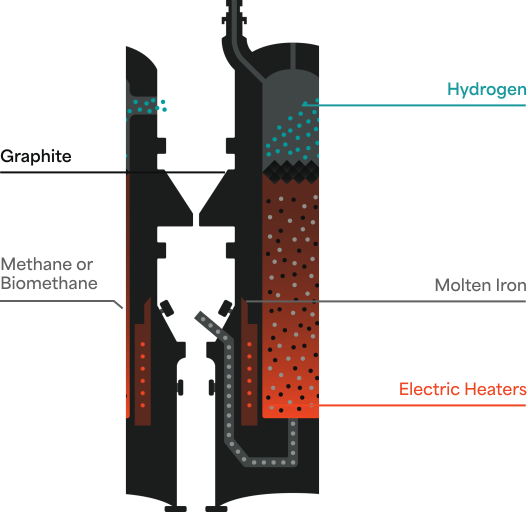
Diagram of thermal pyrolysis of methane in molten iron, light versionDiagram of thermal pyrolysis of methane in molten iron, dark version

Thermal pyrolysis of
methane in molten iron

  • Natural gas or biomethane enters the methane pyrolysis reactor.
  • Gas is injected into molten iron. The high temperature in the reactor is provided by electric heaters.
  • When exposed to temperature, methane molecules are split into gaseous hydrogen and solid carbon in the reactor.
  • Hydrogen gas rises to the top. Solid carbon granules are accumulated on the surface and come out of reactor.
  • Hydrogen from the reactor is supplied for purification to the PSA unit. The output is pure hydrogen.
  • The graphite passes through the separation zone and enters the storage tank.

Competitive advantages of our technology

  • Relatively simple, one step thermal process
  • Highly energy efficient
  • Scaleable to produce mass volumes of hydrogen and graphite
  • Easily deployable at locations where hydrogen is needed, but hydrogen transportation infrastructure is not available
  • Flexible in terms of production volume
  • More sustainable than traditional steam reforming with CCUS
  • More cost efficient than any other zero emissions technology

Comparison of Green Hydrogen Generation Options

Green Hydrogen icon

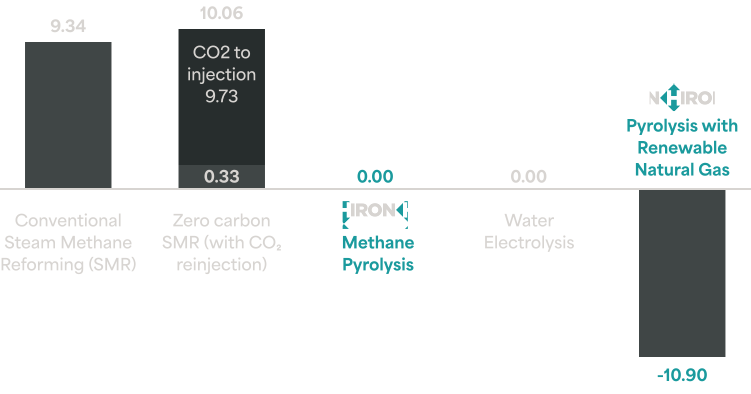
Carbon Footprint of Hydrogen Production (kg CO/ kg H2)

Zero carbon intensity when using natural gas as feedstock and electricity from renewable sources.

Negative carbon intensity when using biomethane as feedstock.

Carbon Footprint of Hydrogen Production, dark versionCarbon Footprint of Hydrogen Production diagram, light version
CAPEX rated to Capacity diagram, dark versionCAPEX rated to Capacity diagram, light version

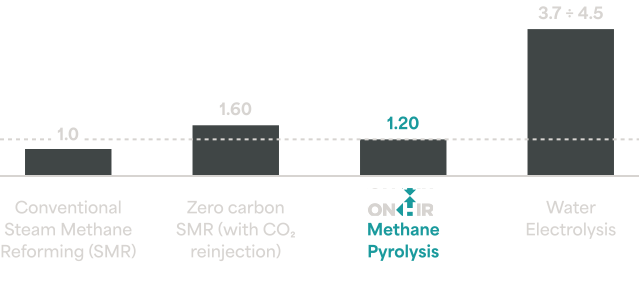
CAPEX rated to Capacity

The comparative analysis indicates that methane pyrolysis is superior to both steam reforming with CO2 reinjection (due to lower CAPEX) and electrolysis (due to lower electricity costs and lower CAPEX).

Discounted value of the conventional SMR (per unit capacity) is taken as a unit of the discounted value.

PROPRIETARY Technology

TRL 7 readiness level

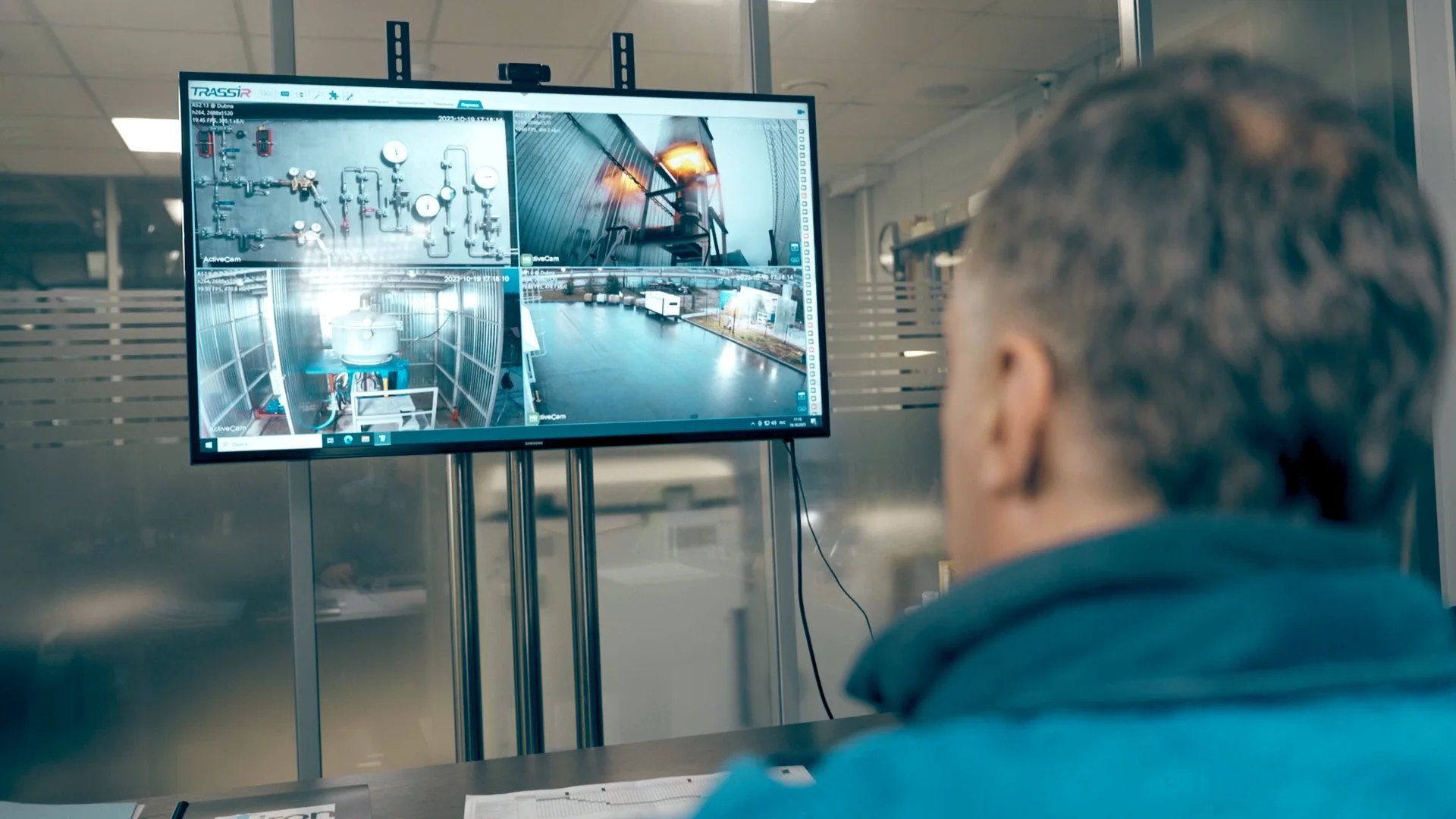
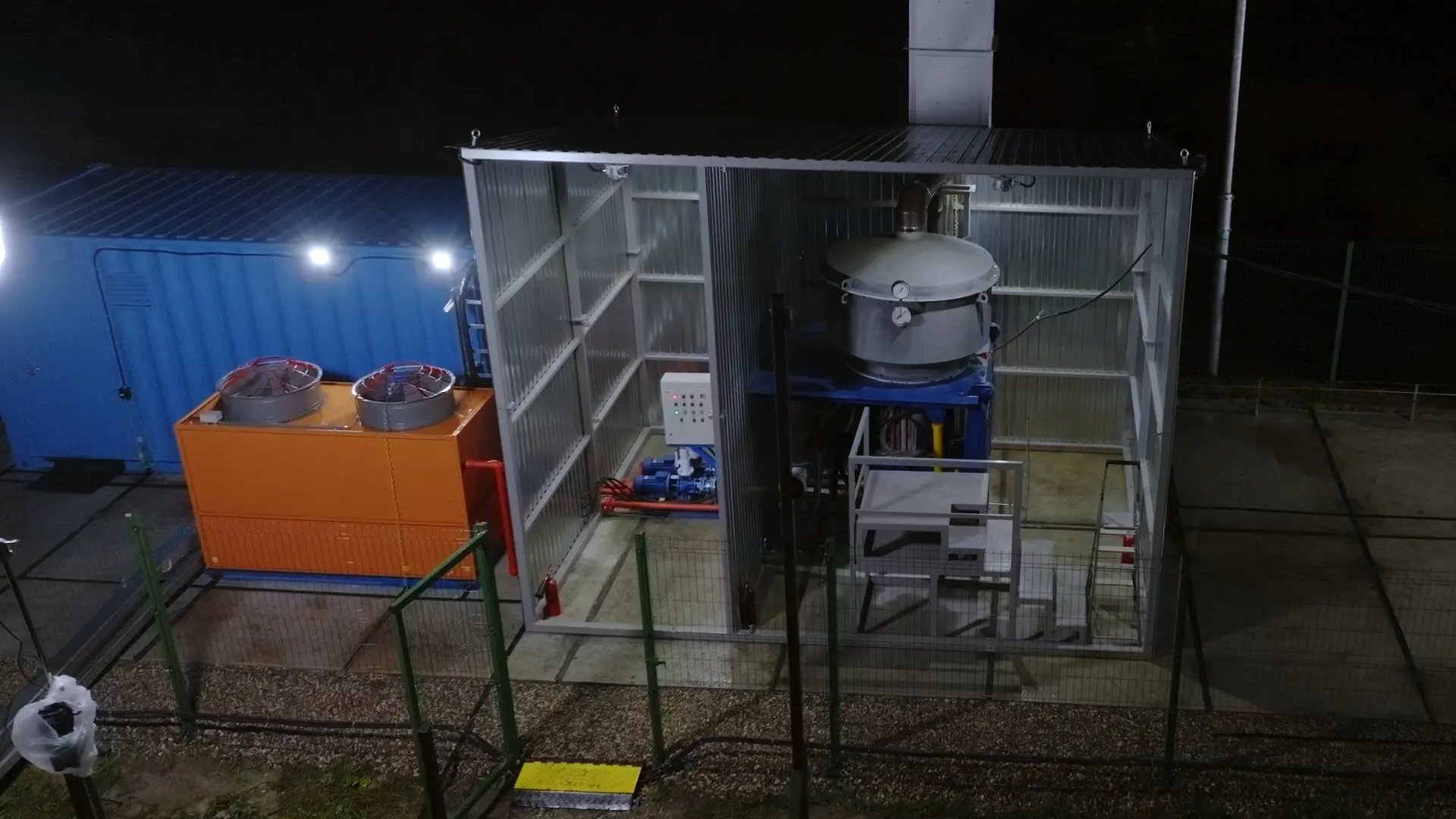
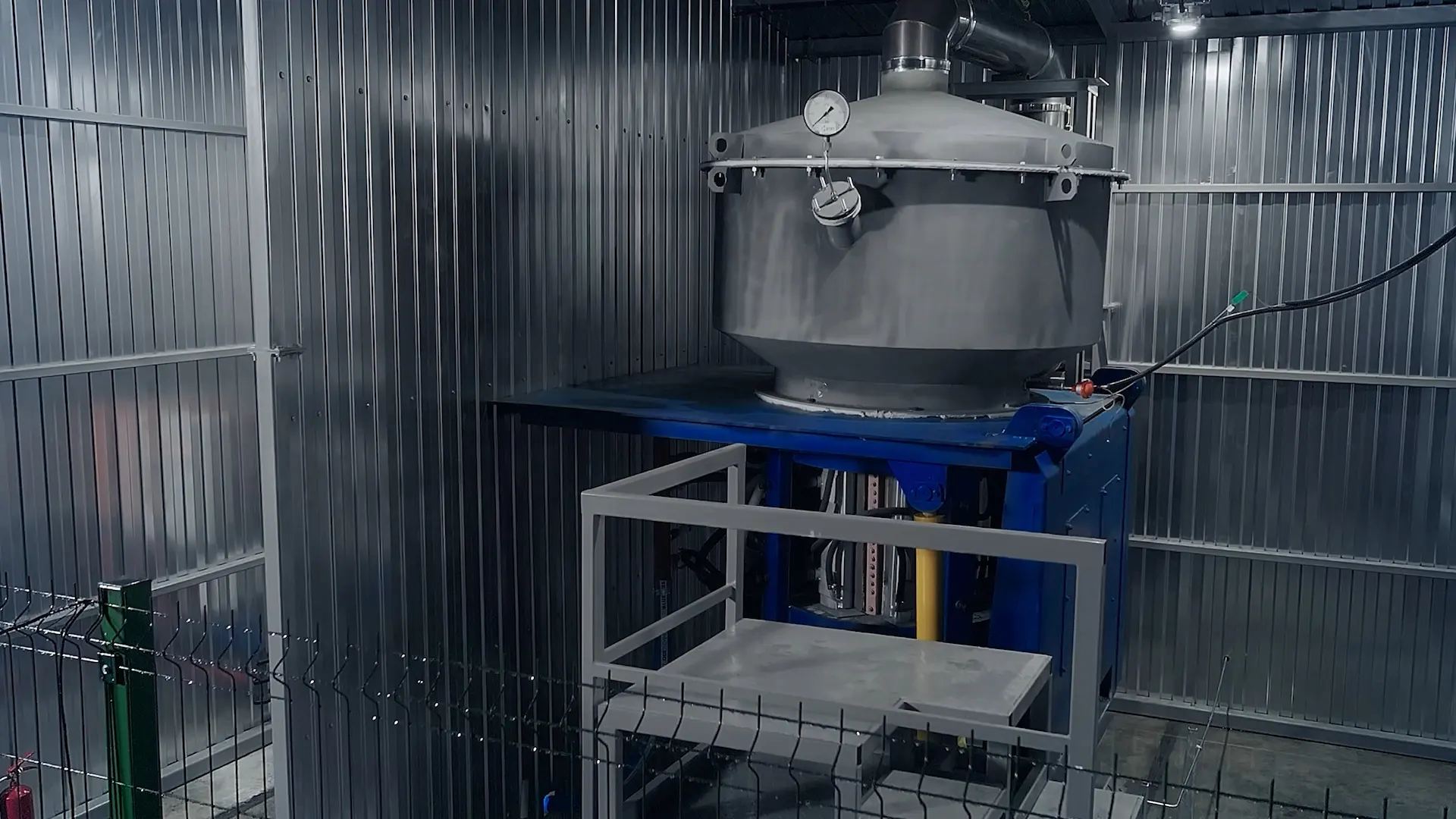
  • Full modeling of reactors with a solution for kinetics and pyrolysis hydraulics. Calculations and experimental tests completed.
  • Number of international patents covering different parts of the proprietary process.
  • Full scale efficient industrial production to commence in 2028.
Slide Image
Slide Image
Slide Image
Slide Image